Nadia S. Reid
Introduction
Socialisation helps dogs read signals, adjust around other animals, and recover from excitement. A well-run daycare can offer repeated practice with staff nearby, though attendance alone does not guarantee progress. Each dog needs suitable matches, short introductions, and quiet breaks. Owners and carers can judge value by watching behaviour before, during, and after visits. Consistent notes on play, rest, and stress provide a clearer picture than assuming every dog enjoys a busy group.
What Socialisation Looks Like
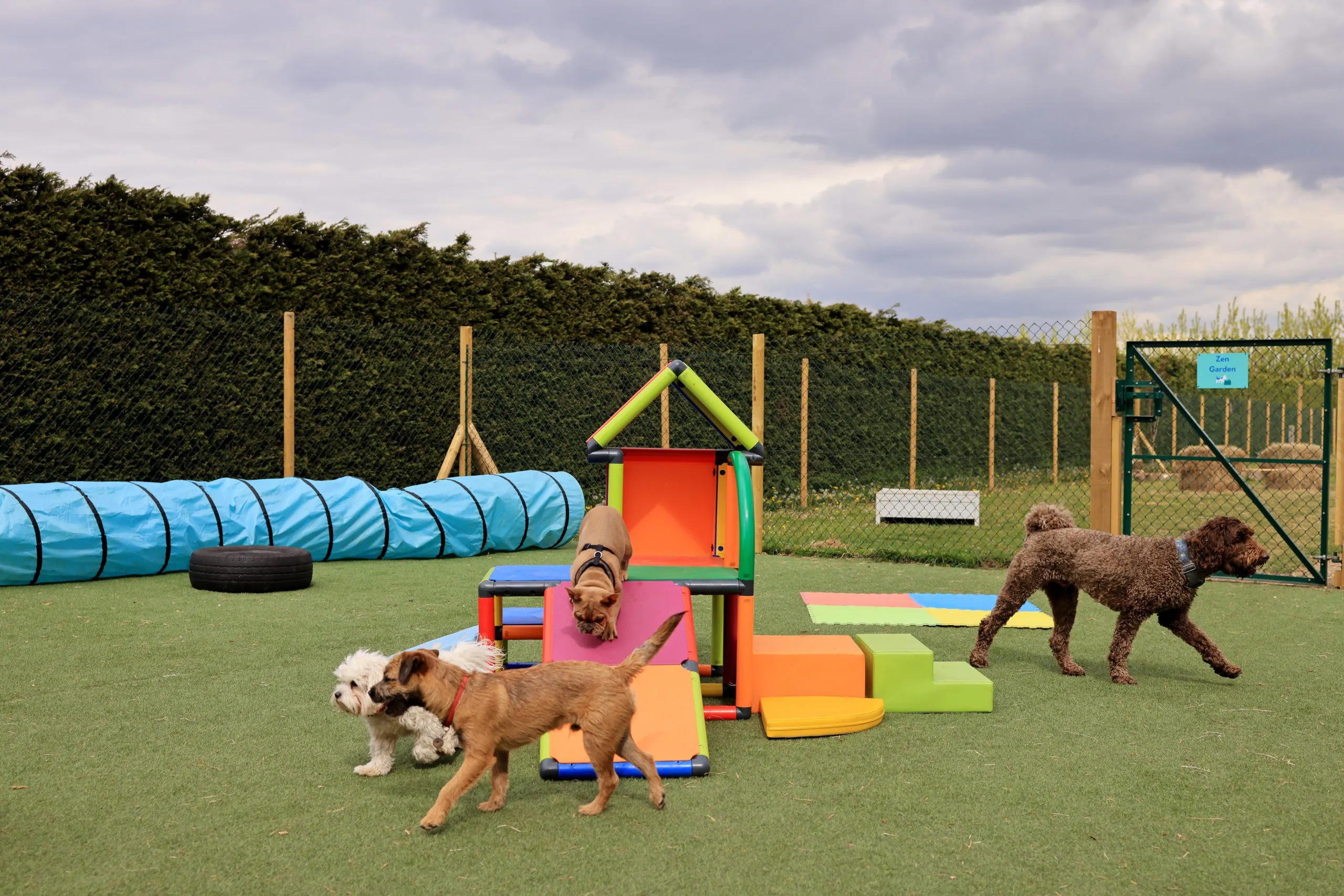
The phrase dog daycare perth may lead families to compare exercise with staff supervision, rest, and safe introductions. The linked provider describes a Busselton facility with indoor and outdoor zones, plus an initial trial assessment. Such details matter because dogs need individual evaluation before group contact. Staff can observe comfort around unfamiliar companions and adjust exposure, rather than placing each animal into a group without preparation.
Reading Social Signals
During group time, dogs communicate through posture, gaze, movement, and distance. A loose body and voluntary approach can indicate comfort, while turning away or hiding may suggest a need for space. Skilled carers notice these changes early and redirect activity when needed. This observation helps prevent repeated pressure, allowing animals to practise appropriate responses without being forced into contact.
Practising Calm Greetings
Brief, supervised greetings give dogs room to investigate at a manageable pace. Carers can introduce compatible animals in pairs before allowing a larger group interaction. That gradual approach reduces crowding around entrances, toys, or people. A calm greeting does not require every dog to play. Choosing to observe nearby can also be a comfortable and socially appropriate response.
Building Confidence Gradually
Familiar routines can help a cautious dog settle. Predictable arrival steps, known carers, and steady group pairings reduce uncertainty across visits. Confidence develops at different rates, so a fixed timetable is rarely suitable for every animal. Staff can track whether a dog begins exploring, rests comfortably, or seeks contact more often. Small changes offer useful evidence of growing ease.
Keeping Play Safe
Play supports communication, but frequent breaks help prevent overexcitement. Carers can pause activity when chasing becomes one-sided or a participant repeatedly tries to leave. A short rest, a fresh pairing, or a quieter area may restore balance. Clear play limits protect both confident and reserved dogs. Toys and food should also be managed carefully, since valued items can prompt disputes.
Making Rest Part of the Day
Social contact is only one part of daycare. Dogs also need opportunities to sleep, drink water, and spend time away from activity. Comfortable beds and separate rest areas can help reduce fatigue. A dog that seems withdrawn late in the day may need a quieter schedule, not more play. Balanced days support better behaviour during visits and at home.
Protecting Young Puppies
Puppies benefit from gentle exposure, but their needs differ from adult dogs. Short interactions, close staff attention, and age-appropriate play can prevent tiring or frightening encounters. Vaccination status also affects safe group arrangements. The referenced facility says young puppies may be separated if they are not fully vaccinated. Families should discuss health records and suitable contact before a first session.
Tracking Progress With Observations
A simple visit log can make social development easier to assess. Notes might record greeting behaviour, play duration, rest periods, and responses to new companions. A weekly comparison can reveal patterns that memory may miss. For example, a dog might approach more readily but still need frequent breaks. Concrete observations help carers adjust the group plan and share clear updates with families.
Choosing the Right Setting
Daycare suits dogs who can manage group settings with appropriate support. It is not a substitute for specialist help when a dog reacts strongly to other animals. The linked provider requires an initial trial or assessment and says dogs must be well socialised. Families should ask about supervision, group size, rest options, and how staff respond when a dog becomes uncomfortable.
Conclusion
Socialisation grows through safe, repeated experiences, not simply time spent near other dogs. A suitable daycare provides supervision, careful introductions, rest, and activities matched to each animal. Families can support progress by sharing relevant health details and reviewing clear behaviour notes with carers. When staff respect individual comfort, group attendance can build communication and confidence. The strongest measure of success is a dog that feels secure, recovers calmly, and can choose how much contact suits them.