Nadia S. Reid
Training a dog can be a fulfilling experience, but it also requires patience, consistency, and understanding. Many pet owners encounter challenges that slow progress or cause frustration. Recognizing common mistakes early can help owners build a stronger bond with their dogs and ensure effective training.
Lack of Consistency in Training
One of the most common errors in dog training is inconsistency. Dogs thrive on routine and clear expectations. Inconsistent commands or reactions can confuse a dog, making it harder to learn desired behaviors. For example, allowing a dog to jump on one person but scolding it for the same behavior with another owner creates uncertainty. This inconsistency often leads to repeated mistakes and slow progress.
Establishing consistent rules and commands is crucial. Every family member should use the same words for commands and respond to behaviors in the same manner. Consistency reinforces learning and helps dogs understand expectations clearly.
Overlooking the Importance of Timing
Timing is critical in training. Dogs have short attention spans, so feedback must be immediate. Praising or correcting a dog even a few seconds after an action may prevent the animal from associating the behavior with the response. For instance, if a dog sits but receives praise several minutes later, it may not link the action with the reward.
Owners should aim to reward or correct behaviors instantly. Small treats, verbal affirmations, or brief petting work best when delivered immediately after the desired action. Timely feedback strengthens learning and increases the likelihood of repeated positive behaviors.
Using Negative Reinforcement Excessively
Excessive punishment can harm a dog’s confidence and hinder learning. Dogs respond better to positive reinforcement than to fear or intimidation. Yelling, hitting, or using aggressive tools may stop unwanted behavior temporarily, but it often creates anxiety or aggression. Over time, dogs may develop mistrust or fear of the owner.
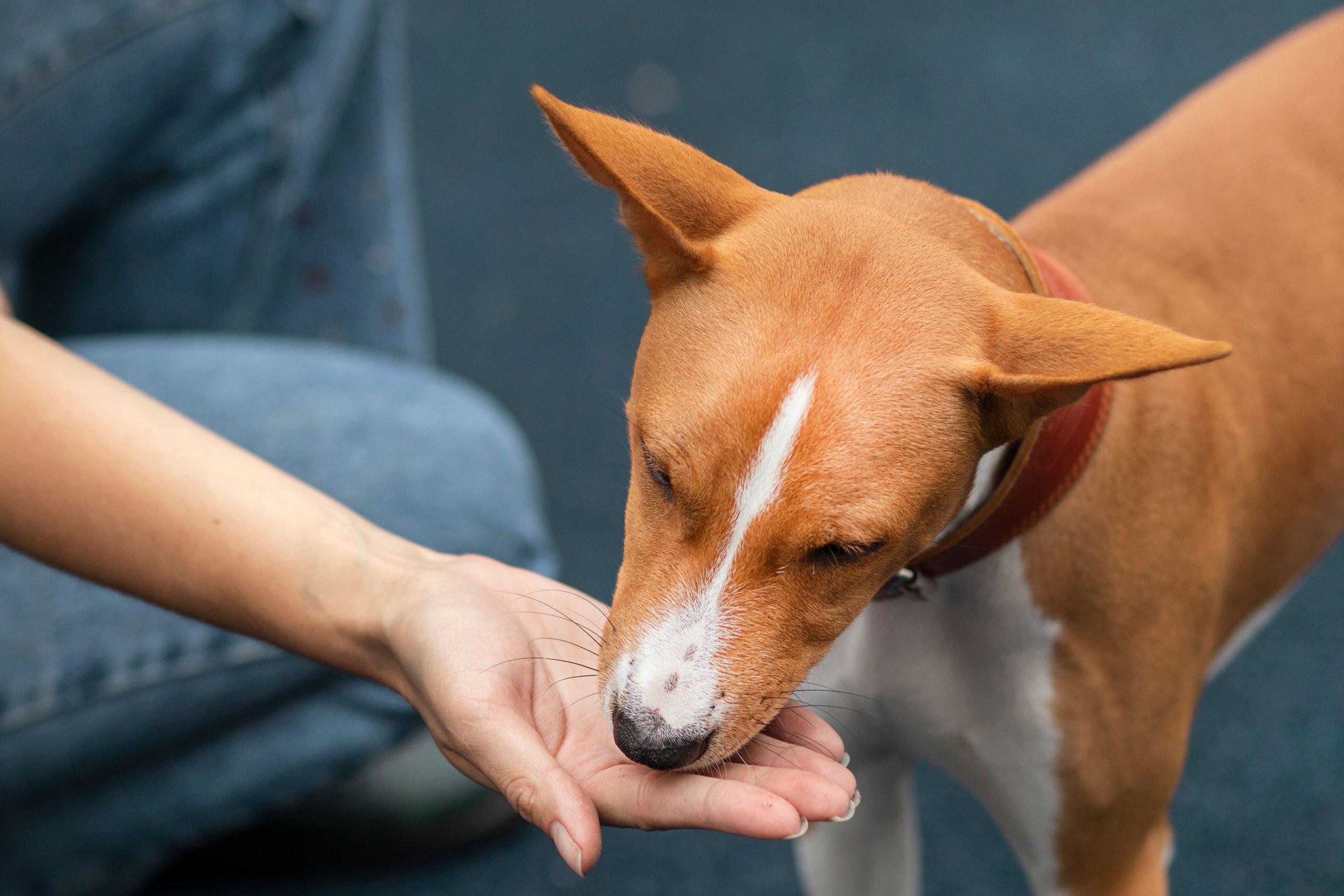
Instead, focusing on rewarding good behavior encourages dogs to repeat those actions willingly. Treats, toys, or verbal praise motivate dogs without creating negative associations. Positive reinforcement is a long-term strategy that fosters trust and a cooperative attitude.
Ignoring Socialization Needs
Socialization is an essential part of training, yet many owners overlook it. Dogs that lack exposure to other animals, people, or environments often develop fear or aggressive tendencies. Socialization helps dogs adapt to new situations calmly and reduces anxiety.
Gradual exposure to different experiences, such as meeting new dogs, visiting parks, or encountering various noises, builds confidence. Ensuring that interactions are positive and controlled prevents negative experiences that can reinforce fear or aggression. Socialization is particularly important for puppies but remains beneficial for adult dogs.
Setting Unrealistic Expectations
Expecting rapid progress can lead to frustration for both the owner and the dog. Training requires time, patience, and repetition. Dogs learn at different rates, and some behaviors take longer to master. Comparing progress to other dogs or relying on unrealistic timelines can create pressure that hampers effective training.
Owners should set achievable goals and celebrate small milestones. Focusing on gradual improvement ensures that training remains enjoyable and productive. Recognizing progress rather than perfection encourages a positive training environment.
Skipping Basic Commands
Basic commands such as “sit,” “stay,” “come,” and “leave it” form the foundation of training. Skipping these essential commands may make advanced behaviors more difficult to teach. Dogs without a solid grasp of basic commands may not respond appropriately in challenging situations.
Reinforcing foundational skills before introducing advanced techniques helps dogs understand expectations. Each command should be practiced consistently until mastered. Mastery of basics provides a framework for learning more complex behaviors.
Failing to Exercise Patience
Patience is vital in dog training. Dogs may make mistakes repeatedly, test boundaries, or respond slowly to commands. Impatience can result in harsh reactions or giving up too soon, which undermines training efforts.
Owners who approach training with calm persistence achieve better results. Taking short training sessions, practicing regularly, and remaining composed when mistakes occur help dogs learn effectively. Patience allows for gradual progress and reinforces positive habits.
Overreliance on Treats
Treats are a powerful tool for motivation, but overreliance can cause problems. Dogs may expect rewards for every behavior and may refuse to obey without incentives. This dependence can reduce the effectiveness of training in real-world situations where treats are unavailable.
Balance treats with praise, play, or affection. Gradually reducing food rewards while maintaining positive reinforcement encourages dogs to obey commands willingly. This approach strengthens reliability and fosters self-motivation.
Neglecting Mental Stimulation
Training is not only physical but also mental. Dogs need mental challenges to prevent boredom and encourage engagement. Neglecting mental stimulation can lead to destructive behaviors, anxiety, or restlessness. Puzzle toys, problem-solving exercises, and varied training activities provide essential cognitive engagement.
Owners should incorporate mental exercises alongside physical activity. Teaching new tricks, practicing obedience commands in different environments, or using interactive toys can challenge a dog’s mind and enhance overall learning.
Lack of Understanding Individual Needs
Every dog has unique traits, learning styles, and sensitivities. Applying the same training approach to all dogs may not yield effective results. Some dogs respond better to gentle guidance, while others require firmer direction. Recognizing and adapting to a dog’s temperament improves learning outcomes.
Observing reactions, adjusting methods, and maintaining flexibility ensures training aligns with the dog’s abilities. Personalizing training strategies helps address specific challenges and strengthens the bond between owner and dog.
Ignoring Professional Guidance
While many dog owners train successfully at home, professional guidance can be invaluable, especially for challenging behaviors. Seeking assistance from a certified trainer provides insight into effective methods and prevents common mistakes. Professional trainers can recommend strategies tailored to individual dogs, ensuring safer and faster progress.
Local resources offering specialized dog training in Perth may provide structured programs and support for owners seeking guidance. Participating in professional sessions supplements home training and reinforces consistent learning practices.
Overlooking Environmental Factors
The environment in which training occurs can affect results. High distractions, noisy surroundings, or unfamiliar spaces can hinder a dog’s focus. Choosing calm and controlled environments helps dogs pay attention and learn more effectively. Gradually introducing distractions after initial mastery reinforces command reliability in real-world situations.
Owners should evaluate the setting before training and modify it to suit their dog’s needs. Clear surroundings and predictable routines facilitate learning and reduce stress.
Failing to Reinforce Learning Regularly
Training should be ongoing. Dogs can forget commands or behaviors if not practiced consistently. Irregular reinforcement may result in regression or confusion. Short, frequent sessions often work better than occasional long ones.
Maintaining regular practice strengthens learned behaviors and ensures long-term retention. Reinforcing commands in various contexts increases adaptability and reliability, making trained behaviors more practical.
Conclusion
Avoiding common dog training mistakes enhances the overall experience for both owners and pets. Consistency, positive reinforcement, patience, and awareness of individual needs form the foundation of successful training. Incorporating mental stimulation, socialization, and professional guidance further supports development. By recognizing and addressing these challenges, owners can cultivate well-behaved, confident, and happy dogs.
Effective training fosters a strong bond, builds trust, and ensures dogs thrive in diverse environments. Careful attention to these key areas allows training to be a rewarding journey rather than a source of frustration. Owners who focus on clarity, patience, and thoughtful techniques create a positive environment that encourages lifelong learning.