Nadia S. Reid
Maintaining a healthy dog means more than just regular feeding and exercise properly caring for your dog’s skin, coat, and digestive system is also an important part of keeping them healthy. These parts are highly dependent on each other, and enhancing one area generally has a positive effect on the others. Creating a balanced routine will help your dog be energetic, relaxed, and happy. Here’s a full guide with actionable tips for keeping your dog healthy.
The Connection Between Your Dog’s Skin, Coat, and Digestion
The condition of your dog’s skin and coat often mirrors what’s going on in their body. Dogs with poor digestion do not process nutrients correctly and this can lead to deficiencies that result in dull fur, dry skin or excessive shedding. Likewise, allergies or gut problems can lead to itching and irritation. That’s why digestion is just as important to focus on as grooming.
Key Takeaway: A Pure, Balanced and Nutritious Diet
The health of your dog is built on a quality diet. Opt for dog food that has essential nutrients like proteins, healthy fats, vitamins and minerals. Omega-3 and Omega-6 fatty acids are especially important for shiny fur and healthy skin.
Also we have a diet of natural foods, like boiled chicken mixed with rice with the carrots and pumpkin (which improved their digestion). Do not give your dog processed foods, too many treats, this will upset their stomach, and can go on longer term.
Ensure Proper Hydration
Water is important for digestion and hydration of the skin. Fresh water should be available all day long. The condition can cause dry skin, constipation and lethargy. During hot weather, provide more water and watch how much your dog is drinking.
Maintain Regular Grooming Routine
By grooming your pet regularly you are removing dirt, dead hair and dandruff while improving blood circulation. Grooming your dog’s coat 2–3 times/week prevents the hair from matting as well as distributes oils that give the coat a sheen.
Bathing should be with gentle, dog-safe shampoo. And over-bathing can wash away natural oils, which can dry out skin. Usually, a bath every 3–4 weeks is enough depending on the breed.
Support Digestive Health
Absorption of nutrient depends on healthy digestive system. Adding probiotics and fiber-rich foods to your dog’s diet supports digestion. Foods like pumpkin and yogurt are great for gut health.
Don’t abruptly change food; it can lead to diarrhea or vomiting. If you need to transition foods, start and do so slowly over 7 days by mixing the old food with the new one.
Regular Exercise and Mental Stimulation
Exercise for Dilating The blood vessels, which exercise improves digestion and therefore helps to maintain a healthy coat. Exercise, whether as daily walks, playtime or interactive toys, keeps your dog both physically and mentally agile.
Ask how to keep your dog exercised lack of exercise can lead to obesity and digestive problems, so he wants you to plan on at least 30–60 minutes of activity daily.
They Train a Little to See Allergies and Health Problems
Skin issues such as itching, redness or hair loss can mean allergies or underlying health problems. Common triggers may be certain foods, environmental factors or parasites like fleas.
Early detection: Regular vet visits can help pick up on potential issues. If symptoms persist, see your veterinarian for diagnosis and treatment.
Maintain Clean Living Environment
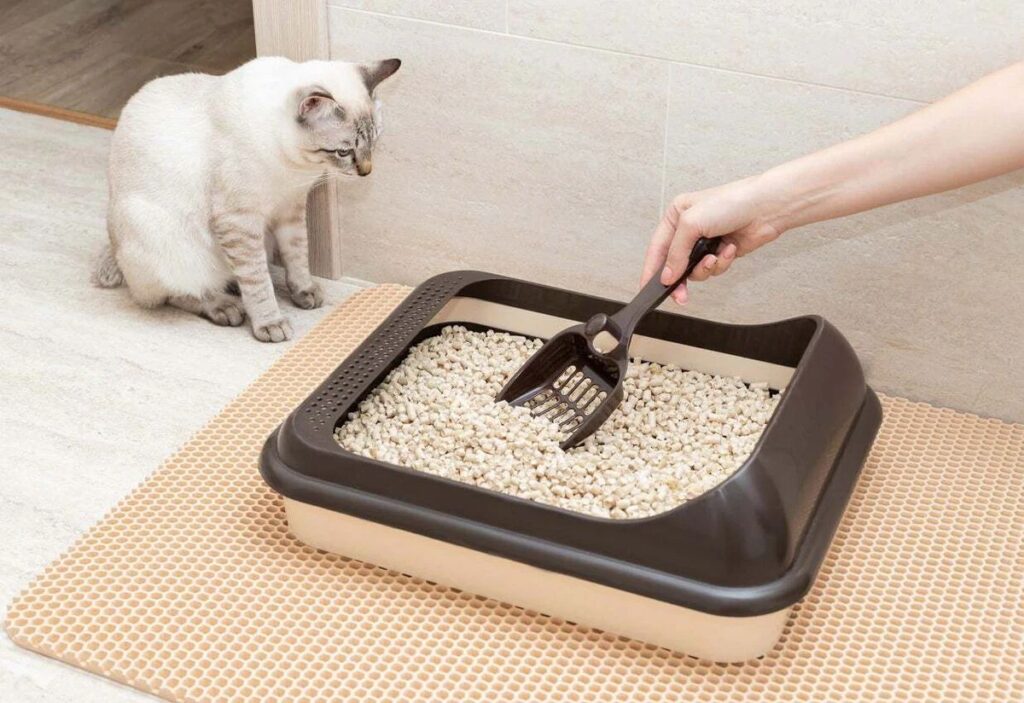
A clean environment decreases the likelihood of getting infections and allergies. Launder your dog’s bedding often, wash feeding bowls and keep their environment clean and free of parasites.
And best hygiene practices do not just protect your dog’s skin, they promote their overall health.
Conclusion
A holistic approach to keeping your dog’s skin, coat, and digestion in good health includes a nutritious diet, daily hydration and grooming, as well as routine veterinary care. So use these simple and effective advice to keep your furry friend healthy, happy, and alive. These simple acts, done each day, can help keep your dog healthy and flourishing.