Nadia S. Reid
Introduction
Cats may seem like a low-maintenance pet when kept indoors, but you have to provide for their needs, interactions and attention if they are going to lead happy, stress-free lives. Unlike outdoor cats, they depend on their owners for exercise (physical activity), stimulation (mental activity), and overall health. To make sure that your feline friend flourishes in an indoor environment, establish a comfortable living space and embrace healthy habits.
Make It a Safe and Enriching Place
Indoor cats require a stimulating environment so they don’t get bored and develop separation anxiety. Provide vertical spaces to climb on: Cat trees and perches, because cats enjoy climbing higher up and viewing their surroundings from above. A window perch is also perfect for them to observe birds and garden activity, which is great natural entertainment.
Scratching posts: These are important for claw health as well as ensuring you do not come home to furniture scratched to shreds! Also, have comfortable resting places available, including soft beds and blankets in calm and quiet corners. Changing out toys can help keep your cat interested and engaged.
Nourish and Hydrate
Your cat’s health is greatly affected by nutrition. Indoor felines cats are typically less active and need to be on a calorie-controlled diet that limits the risk of obesity. Select high-quality cat food—wet, dry or a combination—based on your kitty’s age, weight and health requirements.
Hydration is equally important. Many cats do not drink enough water, so having a water fountain can encourage them to remain hydrated. Feed Your Fish on a Regular ScheduleAlways feed your fish on a consistent schedule so as to aid in digestion and to minimize stress.
Encourage Daily Exercise and Playtime
Exercise is important for the body not to gain weight and for the mind not to be bored, so it should never be missed. Offer your cat interactive play sessions with feather wands, laser pointers or puzzle feeders. Try for a minimum of 15–20 minutes of playtime every day.
Not only does play time get your kitty in tip-top shape, it also helps strengthen your bond. It simulates natural hunting instincts, which can decrease stress and other behavioral problems such as aggression or excessive meowing.
Maintain Proper Hygiene and Grooming
It is essential to keep your indoor cat clean for its comfort and well-being. Brushing regularly eliminates loose fur, mitigates shedding and avoids hairballs. Long-haired breeds will need grooming more often.
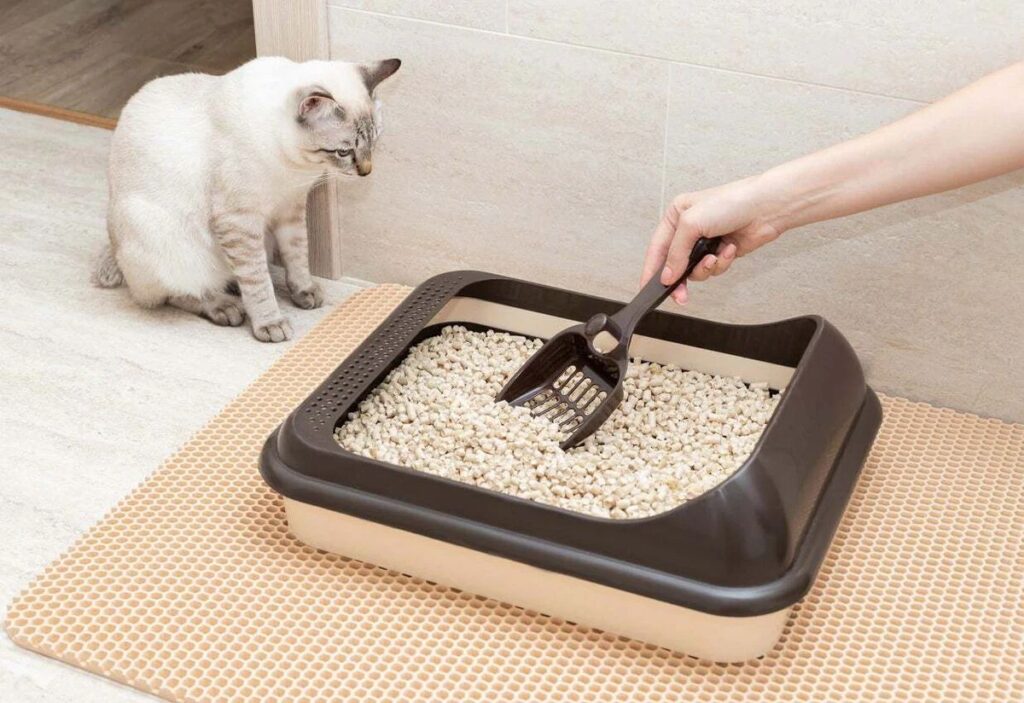
Cleansing the cover daily and putting it in a low-traffic area. Litter boxes that are dirty can cause stress and undesirable behavior. Also regularly trim your cat’s nails, and explore dental care routines — brushing teeth or giving dental treats.
Schedule Regular Veterinary Checkups
Indoor cats require regular veterinary care as well. Regular checkups catch potential health problems before they become serious, and keep vaccinations current. Flea or worm treatment is another good thing to discuss, as cats kept indoors can still be exposed to fleas or worms.
Talk to your vet about your cat’s diet, behavior and lifestyle so that you can get individualized advice. Prevention is always cheaper and more effective than treating diseases later.
Provide Emotional Comfort and Routine
Cats are definitely creatures of habit and thrive off of routine. Maintain feeding, play and sleep schedules to help alleviate anxiety. Changes to environment or routine can stress your cat, so ensure any changes are made gradually.
Spend quality time with your cat through petting, talking or just sitting together. Offer a peaceful and loving environment to help your cat feel safe and comfortable.
Conclusion
The upkeep of an indoor cat is about so much more than food and a roof over their heads: Their physical, mental and emotional needs have to be taken into account. Providing a stimulating environment, the correct diet, regular playtime and proper grooming and vet care can all ensure that you are giving your cat an enriching life indoors without stress. As long as they receive adequate love and care, your cat will be happy, healthy and attached to you all day.